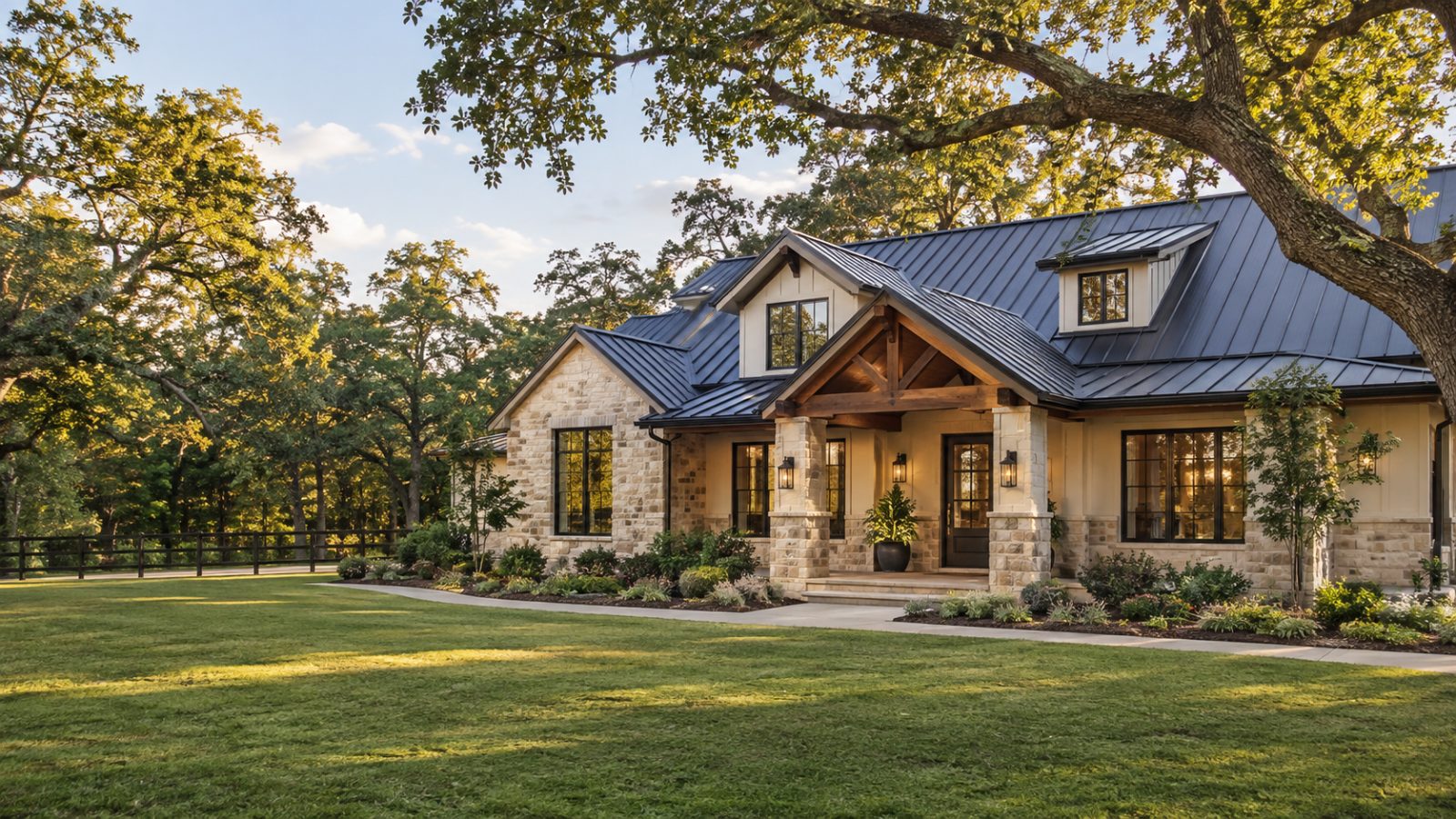
Metal Roof Repair
Metal Roof Repair in Magnolia
Noticed a leak or visible roof damage? Start by identifying the source and extent of the problem. Get a Free Estimate
Metal Roof Repair
Noticed a leak or visible roof damage? Start by identifying the source and extent of the problem. Get a Free Estimate
A leak or damaged section of a metal roof does not always mean the entire roof needs to be replaced. Problems can develop around flashing, fasteners, seams, roof penetrations, or panels affected by impact or wear. The visible symptom may not be located directly above the place where water appears inside the building, so identifying the source is an important part of the repair process.
Metal Roofing Magnolia helps property owners understand the issues that may affect an existing metal roof. A useful repair plan considers the panel type, age and condition of the system, previous work, and the details around the damaged area. The goal is to address the underlying problem rather than apply a surface fix that leaves the cause unresolved.
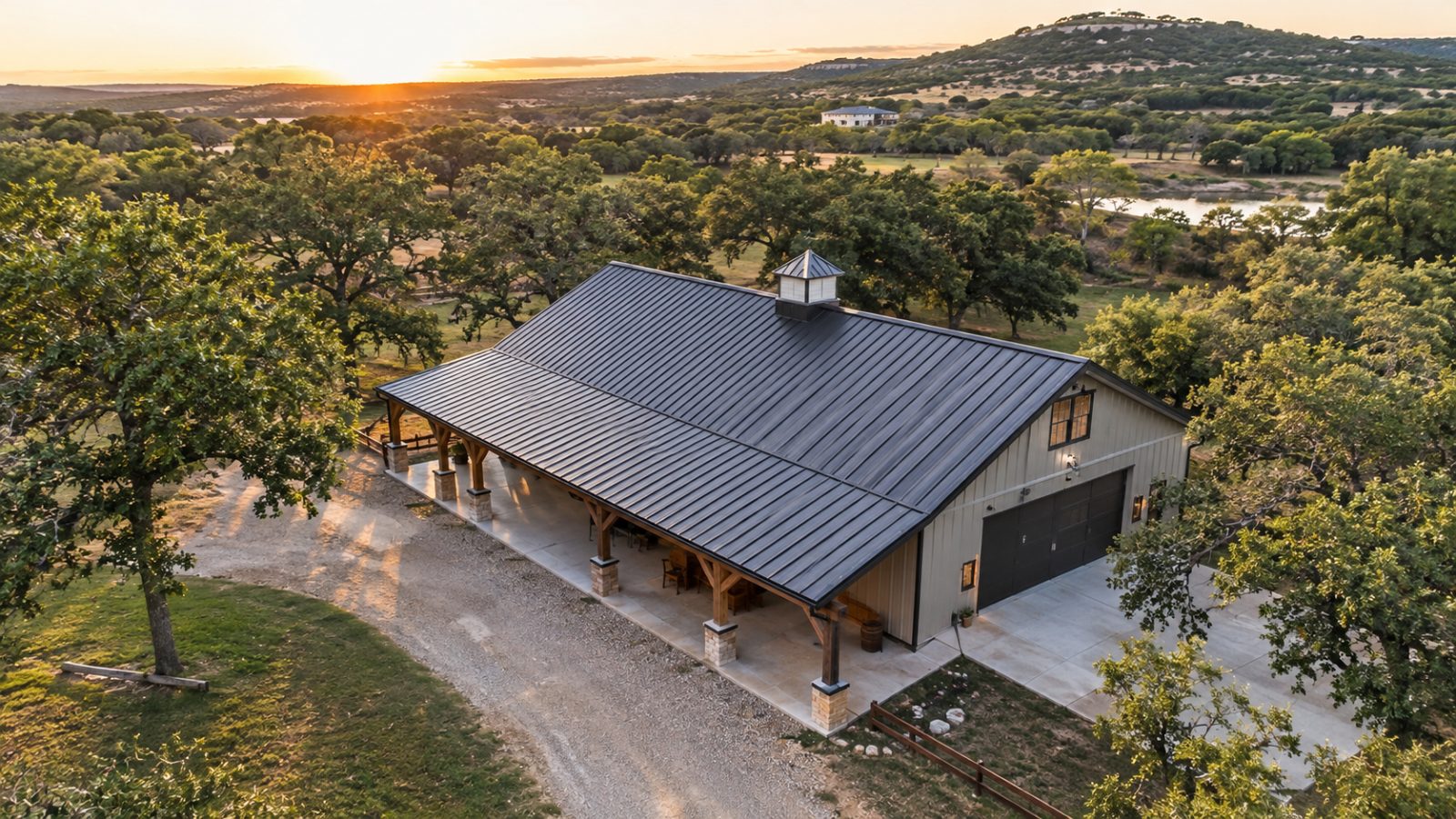
Metal roofs can develop different types of problems depending on the system, installation, exposure, and maintenance history.
Water can enter around seams, flashing, penetrations, fasteners, or damaged panels. The location of an interior stain does not always identify the entry point. A repair assessment should consider the roof layout and trace the likely path of water.
Panels may be affected by falling branches, impact, movement, or deterioration. The repair approach depends on the panel profile, the extent of the damage, and whether compatible materials are available. A damaged panel should be evaluated in relation to the surrounding roof.
Exposed-fastener systems rely on suitable fasteners and washers installed according to the product requirements. Fasteners can loosen, deteriorate, or become a source of water entry. Any repair should use compatible components and address why the problem developed.
Flashing around chimneys, walls, vents, skylights, and valleys is important for water management. Sealant alone may not be an appropriate solution for every transition. The detail should be reviewed to determine what repair method is compatible with the roofing system.
Corrosion or finish damage can occur for different reasons, including environmental exposure, incompatible materials, standing water, or physical damage. The affected area should be assessed to determine whether cleaning, treatment, component replacement, or more extensive work is appropriate.
Strong winds, hail, and falling debris can affect panels, trim, flashing, and other roof components. After severe weather, avoid climbing onto the roof. Arrange an assessment if you notice visible damage, displaced materials, or signs of water entry.
A repair should address the reason a problem developed, not just the visible mark or leak. We encourage a careful look at the roof detail involved.
Metal roofing systems differ, and repair materials need to be suitable for the existing panels and components. The roof type should guide the repair approach.
We want customers to understand what can reasonably be repaired and when broader work may need consideration. The condition of the surrounding roof is part of that decision.
A customer should understand what has been identified, what work is proposed, and whether additional assessment may be needed if concealed damage is found.
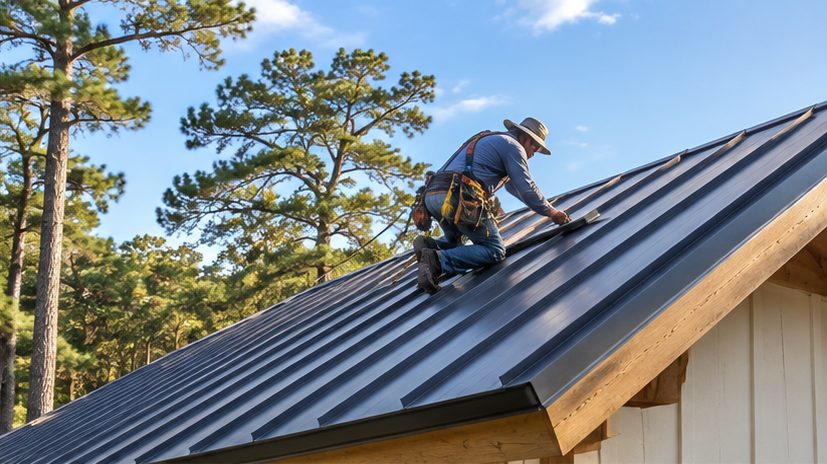
Describe what you have noticed and where it is happening. We can help you consider the next step for your metal roof.
Free — no obligations
Share where you have noticed a leak, stain, damaged panel, or other concern. Photos taken safely from the ground may help explain what you have seen.
Review the panel type, affected area, flashing, fasteners, seams, and nearby roof details to understand the possible cause.
Identify which components may need attention and whether the proposed repair is compatible with the existing roofing system.
Clarify the repair scope, any limitations, and whether additional work may be needed if concealed conditions are discovered.
Carry out the agreed repair and review the affected details. Discuss any ongoing maintenance or further monitoring that may be appropriate.
Heavy rain can reveal problems at seams, flashing, penetrations, or drainage points that may not show during lighter rainfall. Wind direction and the amount of water reaching a particular roof area can also affect when a leak appears.
In some cases, an individual panel can be replaced, but the approach depends on the panel profile, connection method, surrounding condition, and availability of compatible materials. The adjoining panels and roof details should be considered before deciding.
Applying sealant without identifying the source may only hide the symptom or interfere with the roofing system. Roof work can also be dangerous, so it is safer to arrange an assessment rather than climb onto the roof.
Repair may be suitable when the problem is limited and the surrounding roof remains in good condition. Widespread corrosion, recurring leaks, or extensive damage may call for a broader replacement discussion.