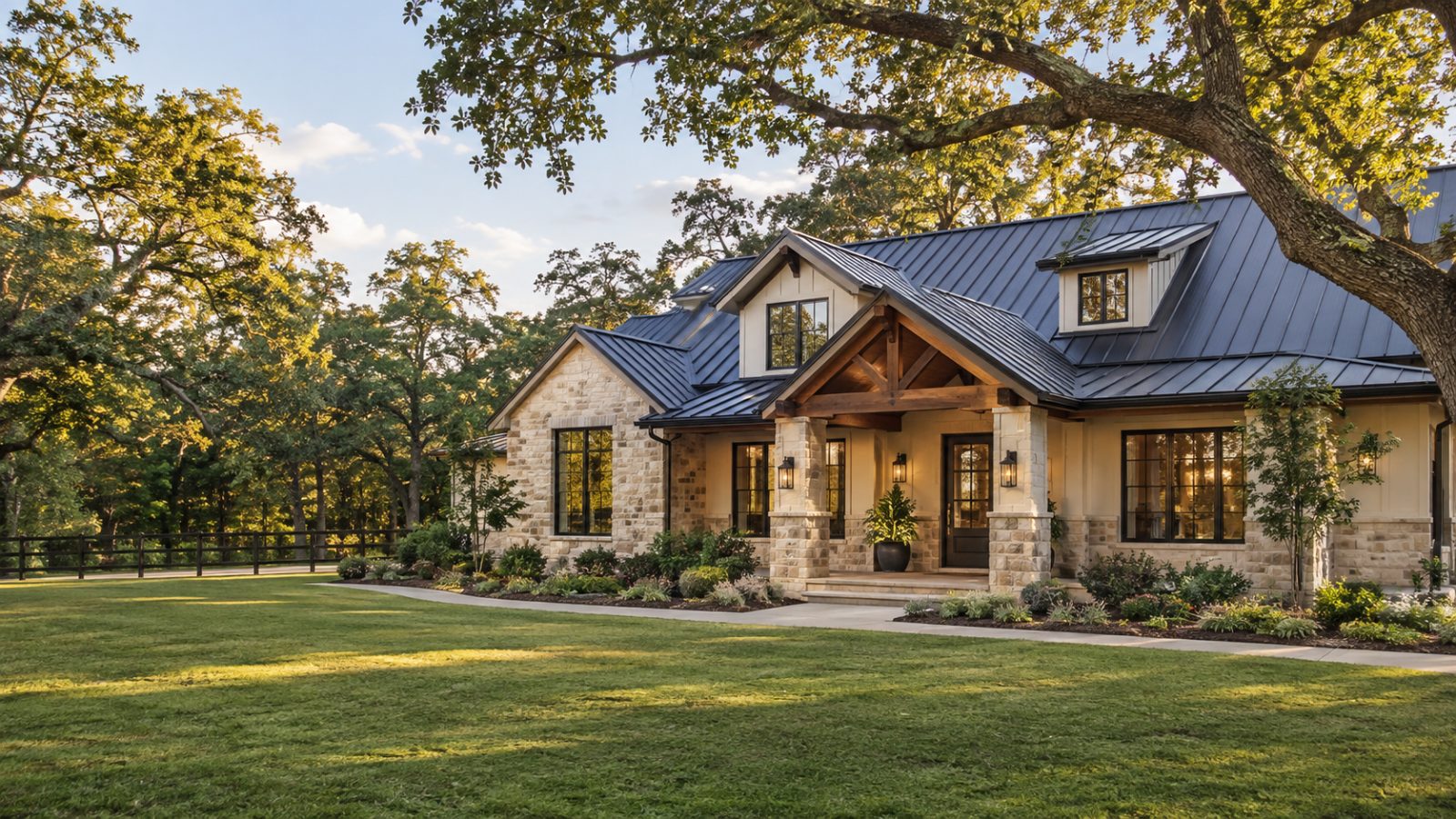
Metal Roof Replacement
Metal Roof Replacement in Magnolia
If your existing roof is wearing out or causing recurring problems, let's discuss replacement options. Get a Free Estimate
Metal Roof Replacement
If your existing roof is wearing out or causing recurring problems, let's discuss replacement options. Get a Free Estimate
A metal roof may eventually reach a point where repairs are no longer the most practical way to address its condition. Widespread corrosion, recurring leaks, damaged panels, failing details, or problems with the underlying roof assembly can all be reasons to consider replacement. The important first step is understanding what is failing and whether the existing system can still be maintained.
Metal roof replacement involves more than selecting new panels. The condition of the roof deck, underlayment, ventilation, flashing, and drainage needs to be considered. We help property owners understand the decisions involved so the replacement plan addresses the roof as a complete system rather than simply covering the visible problem.
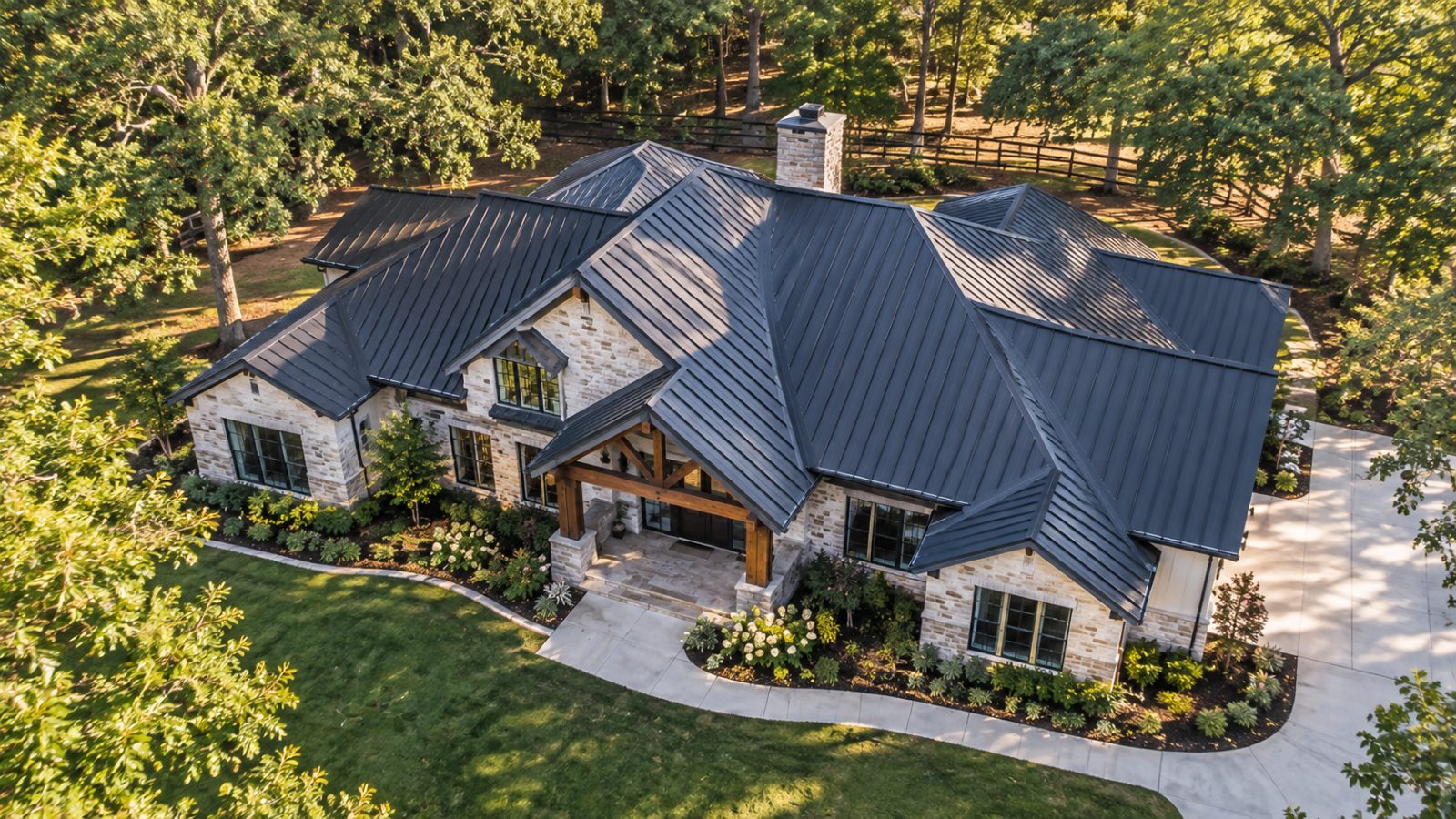
A replacement project should make clear what will be removed, what will be retained, and how the new roofing system will be installed.
The existing panels, fasteners, seams, flashing, and visible roof structure should be reviewed. The assessment should look for recurring leaks, corrosion, deformation, previous repairs, and signs that water may have affected the roof deck or other components.
If the old system needs to be removed, the project should explain how panels, trim, underlayment, and other materials will be taken off and handled. The property layout, material staging, and protection of nearby areas should be considered before removal begins.
The roof deck may reveal conditions that were not visible while the old covering was in place. Damaged or deteriorated sections may need attention before a new system can be installed. Ask how concealed conditions will be documented and approved.
Replacement provides an opportunity to consider a different panel profile, finish, or roofing approach. The selected system should suit the roof pitch, geometry, drainage plan, and product installation requirements.
Flashing, ventilation, underlayment, gutters, and roof edges should be reviewed as part of the replacement. A new panel surface will not correct problems with poorly planned transitions or inadequate water management.
The new system is installed according to its requirements, with attention to layout, fastening or seam connections, trim, and transitions. The final review should confirm the agreed scope and address questions about the completed work.
A replacement discussion should begin with understanding why the existing roof is failing. We encourage customers to consider the panels and the underlying roof assembly together.
Removal, deck preparation, new materials, flashing, and cleanup should be explained before work begins. This helps customers understand what is included in the project.
The replacement should be planned around the roof's actual design and the requirements of the selected metal roofing system.
We want property owners to understand the difference between continued repair and full replacement, so the next step is based on the roof's condition rather than pressure.
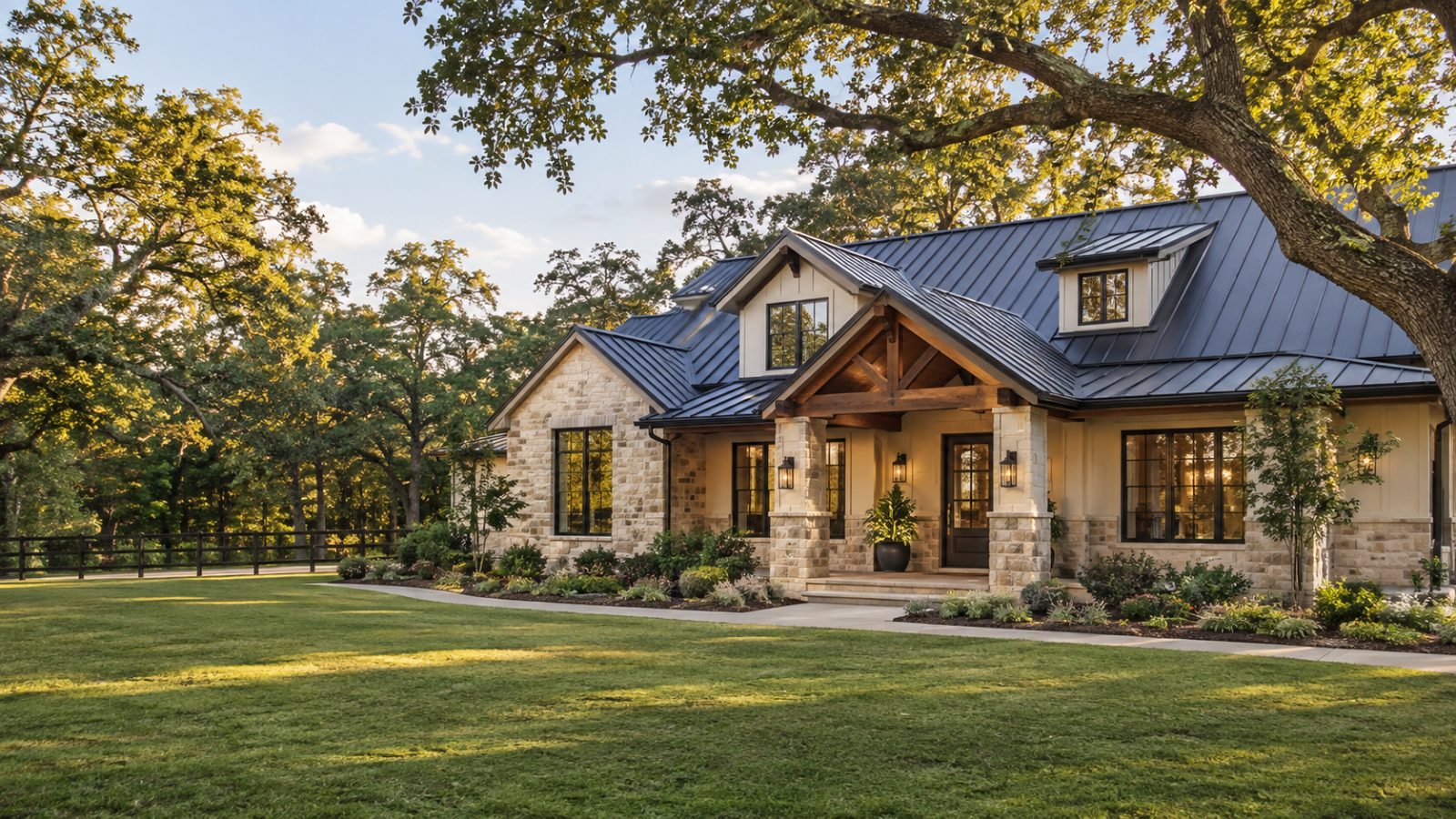
If repairs are becoming a recurring concern, discuss whether replacing the existing system makes sense for your property.
Free — no obligations
Discuss the age and type of the existing roof, previous repairs, known leaks, and the reason replacement is being considered.
Review the visible roof condition, panel connections, flashing, drainage, and other details that may affect the replacement plan.
Clarify what will be removed, how the deck will be checked, and how concealed damage or additional work will be handled.
Discuss panel type, finish, trim, underlayment, and the requirements of the new roof assembly.
Coordinate the work, complete the agreed installation, and review the finished roof details with the customer.
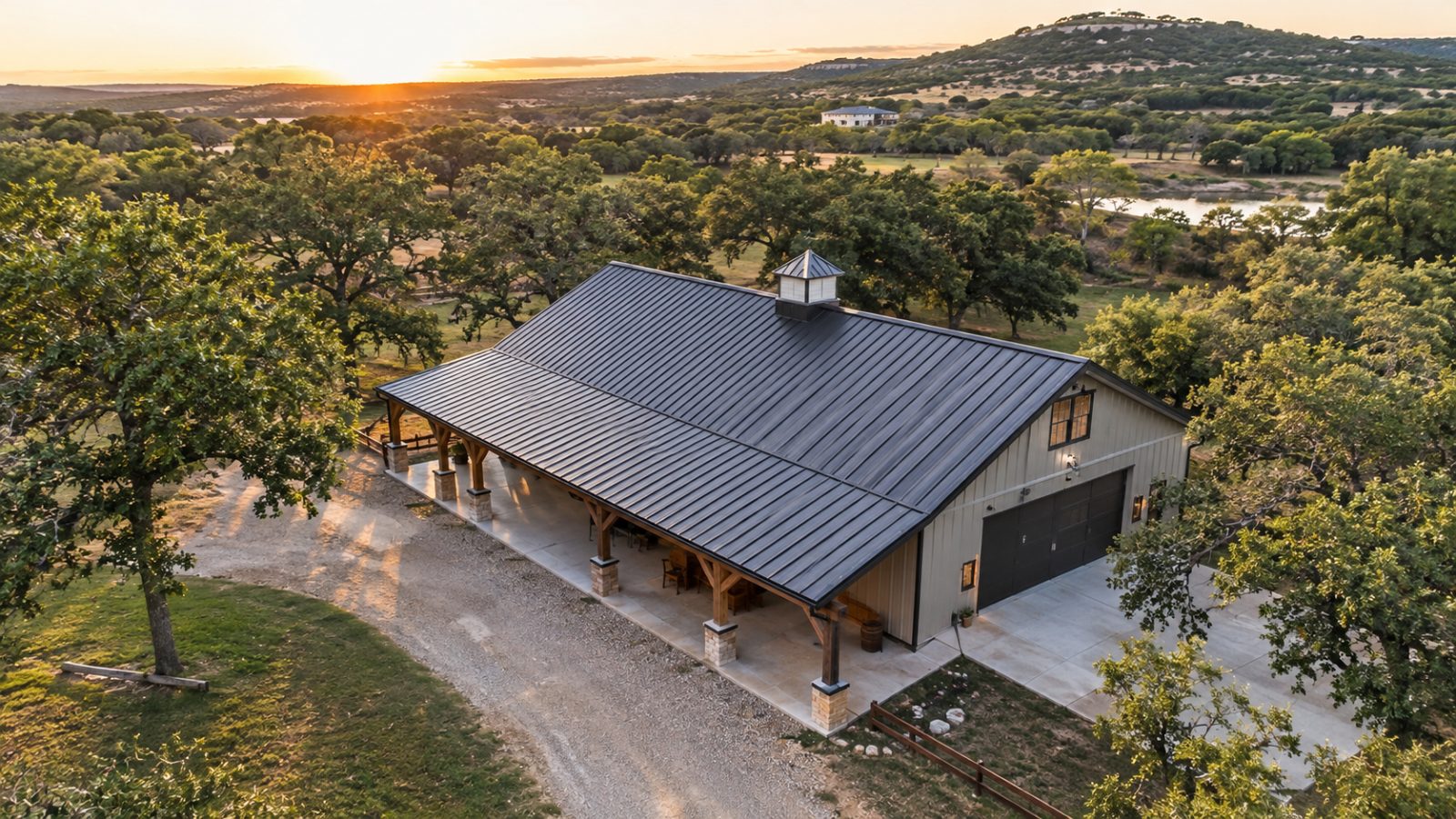
Widespread corrosion, repeated leaks, extensive panel damage, and recurring failures may indicate that replacement deserves consideration. The roof should be assessed to determine whether the problems are isolated or affect the system more broadly.
Removal depends on the existing roof, the proposed system, applicable requirements, and the condition of the structure. The project proposal should explain whether removal is included and how the roof deck will be evaluated.
A replacement project may provide an opportunity to select a different panel profile or finish. The new choice must be suitable for the roof's geometry, pitch, structure, and any applicable community requirements.
The project agreement should explain how concealed damage will be documented and discussed. Ask how additional repairs will be approved before work outside the agreed scope proceeds.