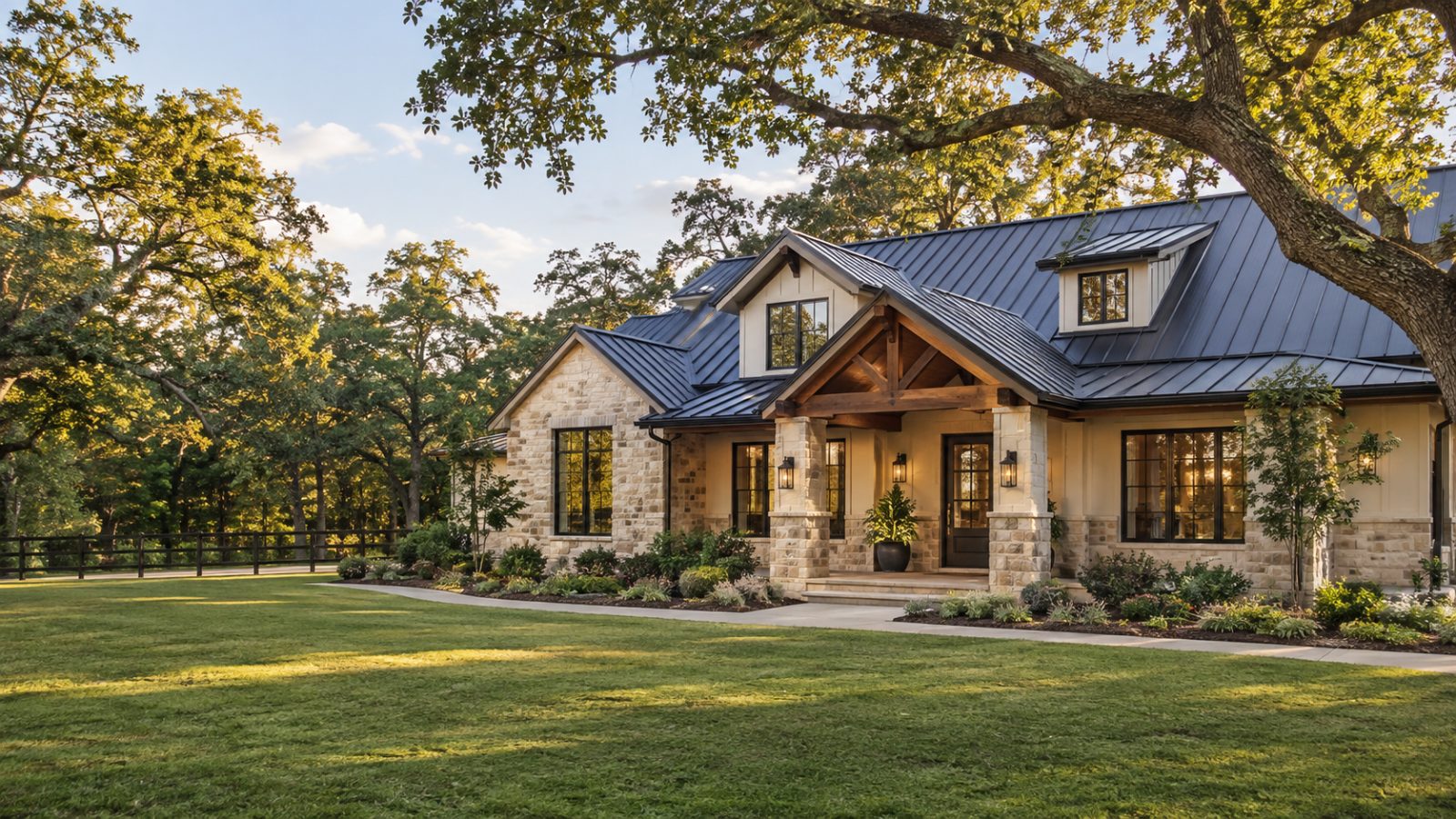
Standing Seam Metal Roofing
Standing Seam Metal Roofing in Magnolia
Considering the clean lines of a standing seam roof? Let's look at your home's design and requirements. Get a Free Estimate
Standing Seam Metal Roofing
Considering the clean lines of a standing seam roof? Let's look at your home's design and requirements. Get a Free Estimate
Standing seam metal roofing is recognized by its raised seams, which connect adjacent panels and create a defined linear appearance across the roof. Depending on the system, panels may attach using clips or other specified methods that keep the main fastening approach concealed. The result is a different look and installation method from traditional exposed-fastener metal panels.
Choosing standing seam involves more than appearance. Roof pitch, panel length, roof geometry, expansion requirements, transitions, and product specifications all matter. We help property owners understand these considerations and how a standing seam system may fit their home or building.
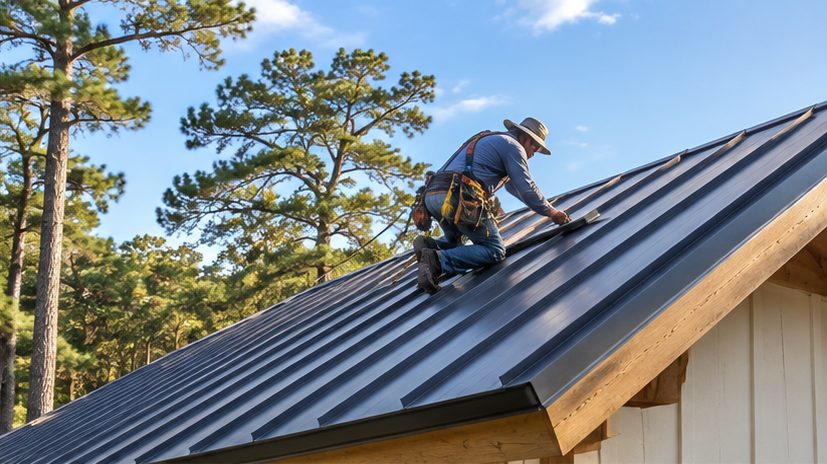
The design of a standing seam roof is built around the panels, their connections, and the details that manage water at the edges and interruptions.
The raised seams are the defining feature of standing seam roofing. They connect adjacent panels and form the visible lines that run along the roof. Seam height, connection method, and panel profile vary by product, so the specifications should be reviewed before selection.
Many standing seam systems use clips or other concealed attachment methods rather than fasteners exposed across the broad panel surface. The attachment design must suit the roof structure and allow for the movement requirements of the specific system.
Metal panels respond to temperature changes, and the system must account for expansion and contraction. Panel length, clip design, attachment locations, and manufacturer instructions all influence how the roof should be laid out and installed.
Standing seam systems have product-specific requirements for roof slope and design. Valleys, hips, ridges, dormers, and transitions can affect panel layout. The actual roof should be assessed before deciding which system is suitable.
Ridge caps, eave details, rake trim, valleys, wall connections, and roof penetrations need compatible components. These details are essential to a complete installation and should be considered alongside the panel selection.
Standing seam products are available in different colors and finishes depending on the manufacturer. The finish should be considered in relation to the home's exterior, sun exposure, neighborhood guidelines, and product documentation.
Standing seam is a complete roofing system with specific attachment and detailing requirements. We encourage customers to understand how those parts work together.
Panel selection should follow the roof's pitch, layout, and transitions. A system that suits one roof may not be appropriate for another.
The seam pattern creates a prominent visual feature. We want the panel layout and trim choices to be considered as part of the home's overall exterior.
Manufacturer specifications matter for panel attachment, movement, slope, and compatible accessories. We believe those details should be part of the conversation.
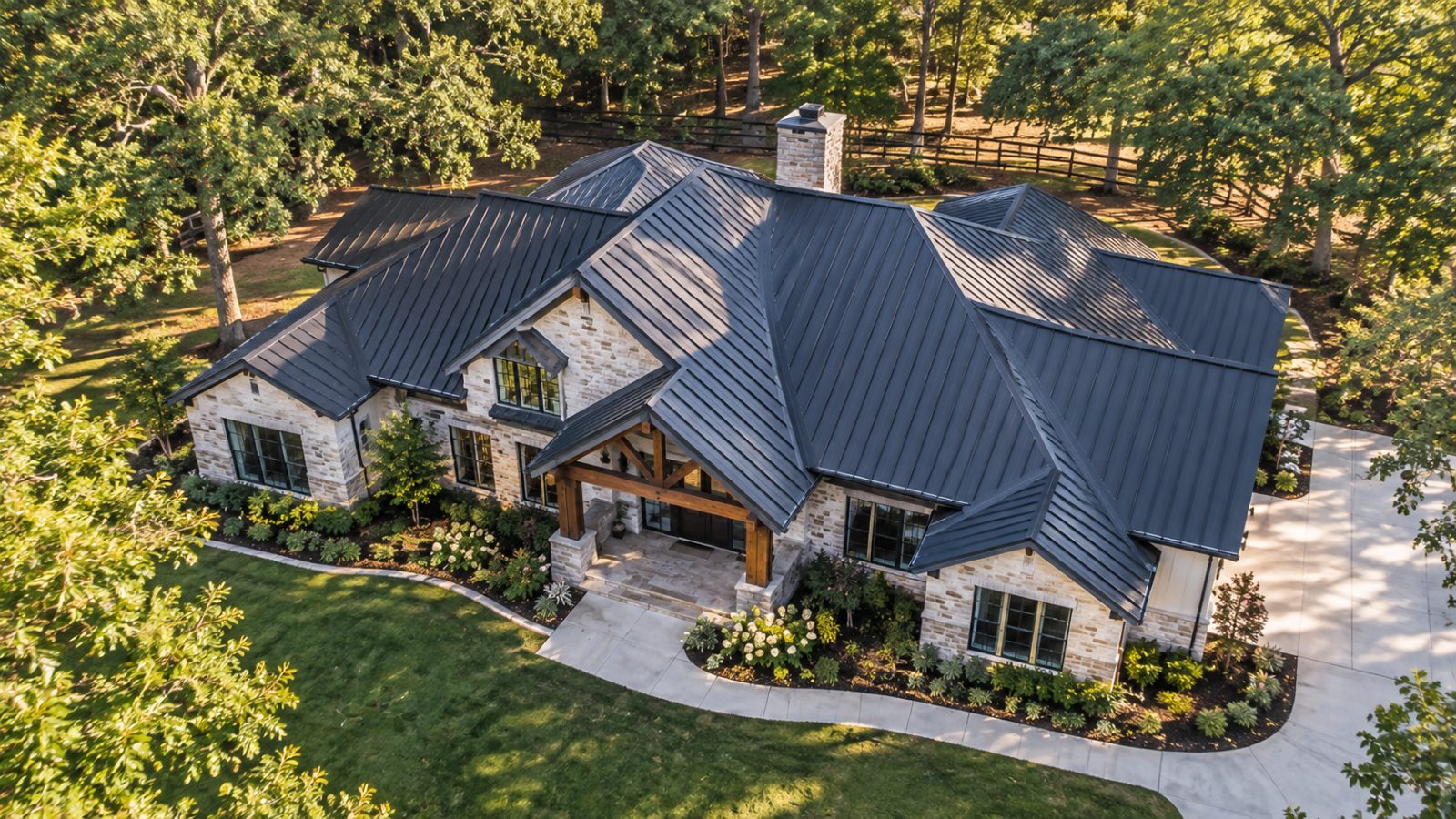
Explore whether standing seam is a good fit for your home's design and roof layout.
Free — no obligations
Look at the roof pitch, dimensions, layout, existing materials, and architectural details that could affect panel placement.
Discuss available panel profiles, seam designs, finishes, attachment methods, and product-specific requirements.
Consider valleys, ridges, eaves, rakes, wall connections, penetrations, and how the system will handle panel movement.
Confirm removal or preparation needs, roof deck condition, underlayment, and ventilation before installation.
Complete the panel layout, attachment, seams, trim, and flashing according to the selected system. Review the finished roof and discuss care information.
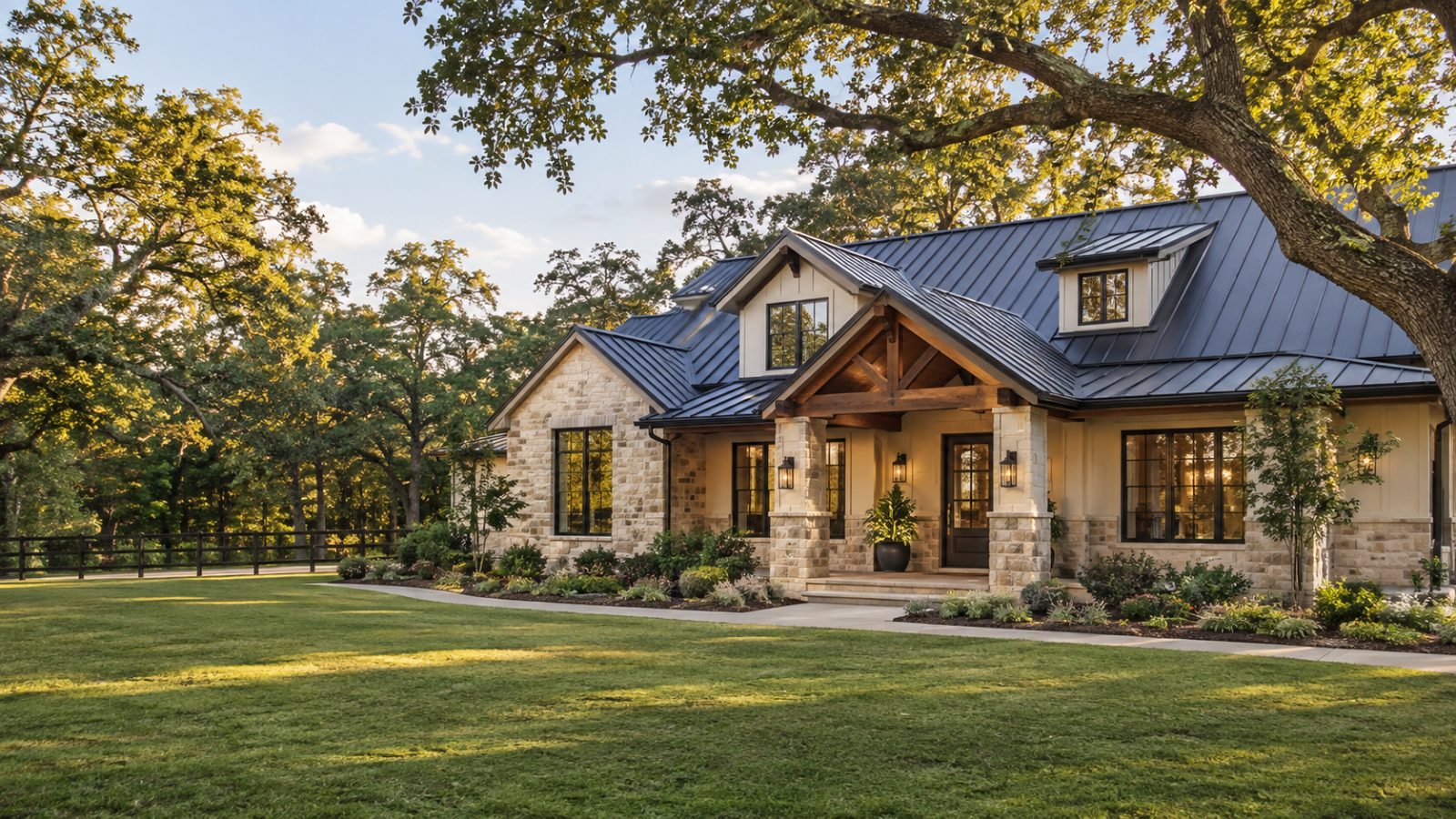
No. Standing seam systems differ in panel profile, seam height, attachment method, material, finish, and installation requirements. Compare the actual product specifications rather than assuming all systems perform or install identically.
Many standing seam systems use concealed clips or attachment methods, so the main fasteners are not exposed across the broad panel surface. Specific details vary by product and should be confirmed from its documentation.
A roof with multiple valleys may be suitable for some standing seam systems, but it requires careful panel layout and compatible valley details. The roof geometry and manufacturer's requirements should be reviewed before selection.
Maintenance depends on the product, surrounding conditions, and installation details. Periodic visual checks, keeping drainage paths clear, and addressing damage or debris are sensible practices. Follow the manufacturer's care guidance for the specific system.